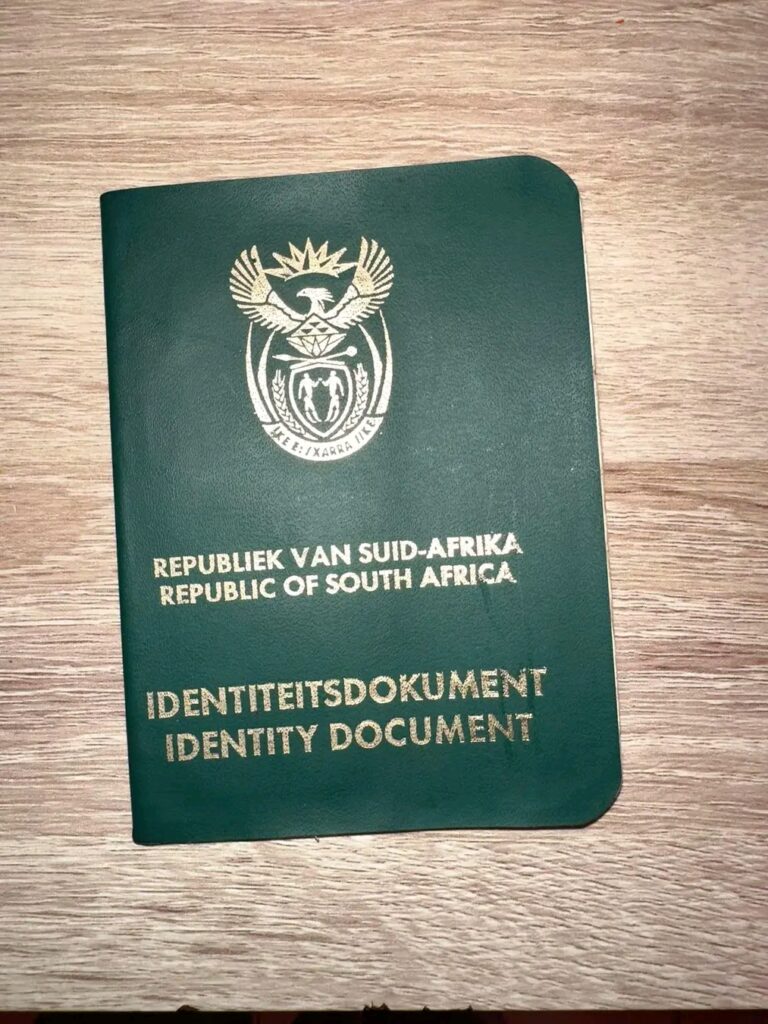
Blocked South African ID in 2026?
Your South African ID number is one of your most vital pieces of personal information. South African ID numbers are used for a variety of reasons from when you apply for government help, open or manage a bank account, for employment purposes, applying for specific benefits, when registering official documents. For a whole lot of other formal transactions.
This is the reason why it could be disturbing if someone says to you that your ID is “blocked”.
For others the issue only arises when they go to a bank, request an online service or try to complete an official transaction. They might be told that their identity cannot be verified or be instructed to get in touch with the Department of Home Affairs.
So, what does a blocked ID imply?
It isn’t always that easy… Sometimes when people say “blocked” they are referring to several different types of identity issues. Your document has been lost or damaged, your information doesn’t match another database, your online account has a technical issue or Home Affairs has placed a restriction on your identity record that needs to be looked into.
So the first rule is easy: Never freak out and never, ever jump to conclusions. Determine what the actual issue is.
Start by Finding Out What “Blocked” Means
Assess the reason you have been told that your ID is blocked. Make an effort to determine the reason.
For instance, if a bank declines an identity verification request, ask whether the bank encountered an error with its own information or the information it used while verifying you.
If you are not able to use the online government service due to your details being refused, it may be a technical error. Not an indication that you are personally blocked.
Equally, a cracked Smart ID card is not automatically the same as a blocked identity record.
The language that the organisation used when they rejected your ID could offer some good tips. Find out if they received any sort of error message or if they were told that your identity record failed to verify.
If you have a reference number, remember it.
This can be helpful when you call Home Affairs as it gives the officer something concrete to look for.
Want to Check Your Identity Standing? This Is the Place to Do It
If you have reason to believe there is a genuine issue with your identity record you should first address your concern with the Department of Home Affairs.
Home Affairs oversees the population registry, civil registration system and identity documents and Smart ID cards.
The department’s official contact centre gives this as the contact number 0800 601 190 and contact e-mail address hacc@dha.gov.za. (Ehome.dha.gov.za)
When calling Home Affairs tell them what happened rather than just saying “blocked my ID”.
For example, you might say that your bank was unable to verify your identity, a government agency’s website refused your ID number, or you were told directly that your identity record is restricted.
This provides the functionary with a more exact starting point.
You Might Have To Visit a Home Affairs Office
Not all identity issues can be resolved from afar.
You might need to go into a branch if the Home Affairs department needs to confirm your identity.
This will be relevant in any instances where biometric details need to be verified. Home Affairs’ eHomeAffairs platform notes that the applicant might need to be present at a branch for biometric verification or capture in applicable processes. (Ehome.dha.gov.za)
The term biometrics can refer to fingerprints, photographs and other identifying data.
If you are asked to go into a branch, bring any identity documents you have and any explanatory documents which may help them understand your situation better.
Don’t get angry if the official asks questions about your identity. Sometimes they have to verify you to protect you and to get information into government records correctly.
Take Evidence of the Problem With You
A frequent error is showing up at Home Affairs and claiming that some other body has told you your ID is blocked.
If possible, take evidence.
This could include:
A letter or email from the organisation that rejected your ID.
A reference number.
A screenshot of an error message.
Your existing ID or Smart ID card.
Relevant correspondence from Home Affairs.
Supporting civil-registration documents, where appropriate.
You may not require these documents, but you should find them handy to help you describe your situation.
If you are given a case number by an organisation, make a note of it and keep it in a safe place.
Check Whether Your Personal Details Match
Occasionally there is a mismatch as the data between different organisations does not reconcile.
It’s possible that your last name has been updated. The date of birth may not be entered properly. The two systems might have a different spelling of your first or middle name. The systems might have an old address or a wrong phone number.
These variations do not mean your ID has been blocked.
It might just need to be looked at or fixed.
If you find that there is inaccurate or missing information on your official identity record, enquire with Home Affairs about how to correct it.
Never try to create a second identity record just because you’ve got something wrong on the original.
Don’t Ever Try to Make a Second ID Number
You want to be uniquely identified.
Having difficulties with your current record could lead to further problems if you try to get another identity number.
The proper method is to fix your current identity.
Anyone who offers you a “new ID number” because your current one is blocked is lying to you.
Someone providing such a service outside the Home Affairs system may be trying to scam you.
What Happens if Home Affairs Mentions an Investigation?
Sometimes Home Affairs may inform you that your identity record has been flagged.
In case it does, request that the official specify the reason and what your next step should be.
Do not attempt to circumvent the process by presenting someone else’s ID or paying someone who says they are connected inside.
If you are under an actual investigation, the best thing you can do is to follow the proper steps.
If one of the issues relating to the matter is identity theft or something else, and it is not clear to you what is occurring, think about consulting with a legal representative.
You have a right to know how your identity record is being used.
Protect Yourself From “ID Unblocking” Scams
Someone eager to regain access to their ID can also be vulnerable to scammers.
You might see posts or advertisements claiming to unblock a blocked ID in a few hours or a few days.
Some will say they have contacts in Home Affairs. Some will ask you to send money before they will start the process.
Be careful.
Never surrender your original papers to a stranger.
Never share a picture of your ID on random WhatsApp numbers.
Do not give strangers your banking PIN.
Do not provide passwords or one-time passwords.
And never pay someone just for saying they know how to work around standard government protocols.
Beginner’s guide to finding help on the official Home Affairs site.
Your ID Number Is Valuable Personal Information
The ID number of South Africans is valuable.
It can be asked for a genuine need but this does not imply that it should be published on the internet.
Don’t take a good photo of your ID document and post it to social media.
Take care when sharing copies by WhatsApp or email.
If you truly need to view a copy, determine who is requesting to view it, why they need it and how they will keep it safe.
Theft of Identity involves gathering sufficient personal information to pose as someone else.
The more strictly you monitor your private information, the more challenging it will be for a stranger to misuse it.
What If Your Bank Account Is Affected?
A blocked or unverified identity may sometimes be revealed when you are dealing with a financial institution.
You might want to ask the bank how it verifies your identity and how it handles verification failures.
The bank might have something old.
E.g. You may have updated your contact details since you created the account.
If the bank determines the issue is related to a Home Affairs identity verification matter, then raise it with Home Affairs.
Don’t take the fact that the bank has refused you as proof of your ID being terminated.
Establish the source of the problem first.
What if Your ID Is Required for a Job?
IDs are used to verify identity for a workplace.
If the potential employer states it cannot verify your ID, say that you are looking into it.
Inquire whether the employer will accept some other sort of official paperwork in the meantime.
While doing this, also contact the Home Affairs to see if there are any problems with your record of identity.
Never use a false document to obtain employment.
It’s better to tell your consultant what you are doing than to end up with a far more serious legal matter.
What If You Need Social Services?
Most South Africans will need to have their identity document ready to be able to access government services such as social assistance.
Don’t assume that the underlying benefit was cancelled if the identity issue prevents you from accessing a government service.
Discover if it is related to identity confirmation, related to the particular service or whether you need to check the status of your application.
If another government department or agency is providing the service, contact that department or agency to determine what information or action it needs while you sort out your Home Affairs issue.
Keep records of any correspondence you receive.
Use Official Digital Services Carefully
Home Affairs has introduced new online services as the country has opened up to the use of Smart ID cards and online forms.
My Home Affairs Online is the official portal for selected identity and citizenship services, and it can be used for some appointment and application services. (Myhomeaffairsonline.dha.gov.za)
Some identity and passport applications are also enabled on eHomeAffairs.
However, it doesn’t mean that every identity problem can be fully solved online.
If biometric authentication is needed, you might still have to go in person.
Always ensure you are visiting the official Home Affairs website, not a third-party website claiming to offer services on behalf of the government.
Consider Moving to a Smart ID
If you are in possession of an old green barcoded ID book, you might be interested to know if you qualify for a Smart ID card.
To explore updates, see Home Affairs planning documents for 2026/27 mention that “an increase in Smart ID enrolments and the replacement of green bar coded identity documents” will be undertaken. (Dha.gov.za)
But getting a Smart ID does not automatically mean the closure of a blocked identity record.
If the problem relates to your identity details, Home Affairs may first need to verify and rectify the status of your current record.
Keep a Paper Trail
If there is one easy thing you can do when your identity problem is a complex one, it is to keep good records.
Create a folder — physical or electronic — for everything related to the issue.
Record the date you contacted Home Affairs.
Enter the office name.
Keep reference numbers.
Save emails and letters.
Record which documents you submitted.
If you visit a branch, make a record of what you were told and what you were told to do next.
This information can be invaluable if you need to check back in a few weeks.
Do Not Ignore the Problem
It might be tempting to ignore an identity issue if just one company refuses your ID.
That might be okay for the short term, but it will become harder later.
There’s lots of places your identity data is used every day. What may seem insignificant today, could turn into a roadblock when you are trying to find work, open a bank account, travel, register a document or use a government service.
Facing the problem at the first sign allows you to identify what is failing and deal with the process.
What to Do if You Receive a Notification That Your ID Is Blocked
If you prefer a quick reference check list, use this as a guide:
Ask who discovered the issue. Did a government department, bank, employer or some other organisation do it?
Request the specific reason. “Blocked” could be several things, so get as much detail as you can.
Save a confirmation number. Hold onto any case or verification number you receive.
Can’t talk to us? Contact Home Affairs through the contact centre or digital services.
Bring your papers. If you’re told to visit a branch, carry your driver’s licence or other ID, along with any relevant documents.
Go to biometric check if needed. For some identity processes, you must go to a biometric appointment.
Don’t sign on as someone else. Avoid the temptation to solve the problem with fake documents.
Do not use unofficial agents. If someone offers to unblock your account for a fee, they may be trying to scam you.
Keep your data safe. Don’t share your ID number, bank details, PIN or password.
Follow up with your reference number. Keep following up on the matter through the official channels until you know the status.
Final Thoughts
If you have a blocked South African ID, don’t panic because that doesn’t mean you’ll be stuck on what to do. You may find yourself in a situation where you’re unable to complete a transaction because the South African ID is invalid.
A failed identity verification process will produce a different error message depending on the reason. The solution depends on identifying the genuine problem.
The best action is to replace guesswork with verified facts.
Check who indicated the issue. Request the necessary information. Contact the Department of Home Affairs.
Share the documents needed.
Visit a branch if biometric validation is required and keep a backup of all actions.
Most importantly, avoid people who promise shortcuts.
You’re too valuable to trust an imposter just because they said it would take less time.
Identity management in South Africa is constantly changing, with the increased availability and use of Smart ID cards and digital services. As the systems change, it remains important to take care of your information.
